

Florida Roof Insurance Claims: What's Covered After a Storm
Your Policy Covers Storms — Not Age
Every hurricane season we get the same call: a homeowner has a stain on the ceiling, a neighbor mentioned insurance, and nobody can tell them whether the roof is a claim or a bill. The short answer is that Florida homeowners policies pay for sudden, accidental damage from a covered peril — wind, hail, a falling tree, lightning. They do not pay for a roof that simply reached the end of its life.
That single distinction decides most claims, and almost everything else in the process — the deadline, the deductible, the adjuster's visit, the payout method — follows from it. Below is what we've learned walking Tampa and Sarasota homeowners through storm damage repairs since long before the last few seasons made it a common conversation.
Get a Free Estimate!
What Actually Determines Whether You Get Paid
Claims rarely turn on luck. They turn on cause of loss, timing, documentation, who is standing on the roof when the adjuster arrives, and whether the rebuild meets code. Here's each one, in plain language.
Sudden Damage Is Covered. Wear Isn't.
Insurance exists for events, not for time passing. If a named storm lifted shingles, if hail bruised the mat, if a limb punched through the deck, that is a sudden accidental loss from a covered peril and your carrier owes for it. If the granules washed off over fifteen Florida summers and the fasteners backed out, that is maintenance, and no carrier in the state will pay for it. Most of the roofs we look at after a storm are somewhere in between — real wind damage on a roof that was already tired — and the honest conversation is about which parts belong to which category.
Two other terms matter as much as the peril. The first is your deductible: Florida policies carry a separate percentage-based hurricane deductible, commonly 2% to 10% of your dwelling coverage, that replaces your flat deductible once a named storm is involved. On a $500,000 home a 2% hurricane deductible is $10,000 out of pocket before the carrier pays a dollar. The second is how the roof is valued. A replacement cost policy pays what a new roof costs today; an actual cash value schedule — increasingly common on roofs past fifteen years — pays the depreciated value, which on an older roof can be a fraction of the job. Read the declarations page before you assume. If the gap is real, our roof financing options exist for exactly that situation.
"Thank you for fixing my roof we had a leak and Brad took care of it. Roofer that was sent out did the job quickly and explained everything to us."
See our profile
One Year From the Storm. Not From the Leak.
This is the detail that costs Florida homeowners the most money, and it changed recently enough that plenty of advice online is still wrong. Under Florida Statute 627.70132, as amended by Senate Bill 2-A in December 2022, notice of a new or reopened property insurance claim must reach your insurer within one year of the date of loss. Supplemental claims — the ones you file when the damage turns out to be worse than the first estimate — get eighteen months. Both clocks start on the day the storm hit, not the day you noticed the ceiling stain. Miss the window and the carrier has a clean defense to deny a claim that would otherwise have been paid in full.
Once you do give notice, the deadlines run the other direction too. Your insurer has to acknowledge the claim within fourteen days, and Florida's claim-handling rules require them to pay, deny, or explain a partial denial within sixty days of receiving notice. Write down every date and keep every letter. The practical advice is simpler than the statute: report promptly, don't sit on damage waiting to see if it gets worse, and get the roof looked at while the storm is still recent enough to be tied to a verified weather event. A free roof inspection costs you nothing and dates your damage.
"100% Recommended! Wilson Roofing did a great job, on time, no problems! Did everything they said they would."
See our profileClaims Are Won on Documentation
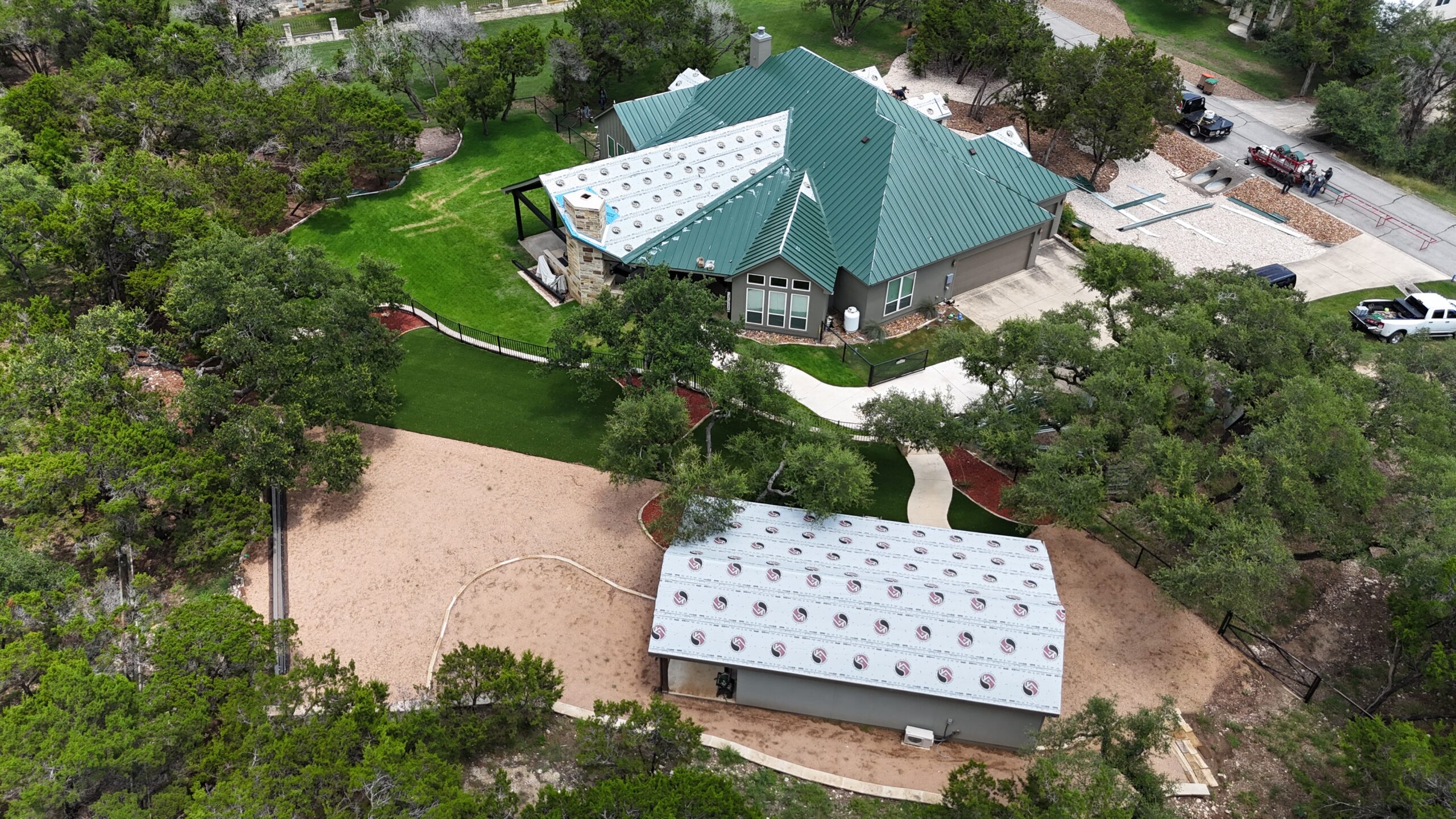
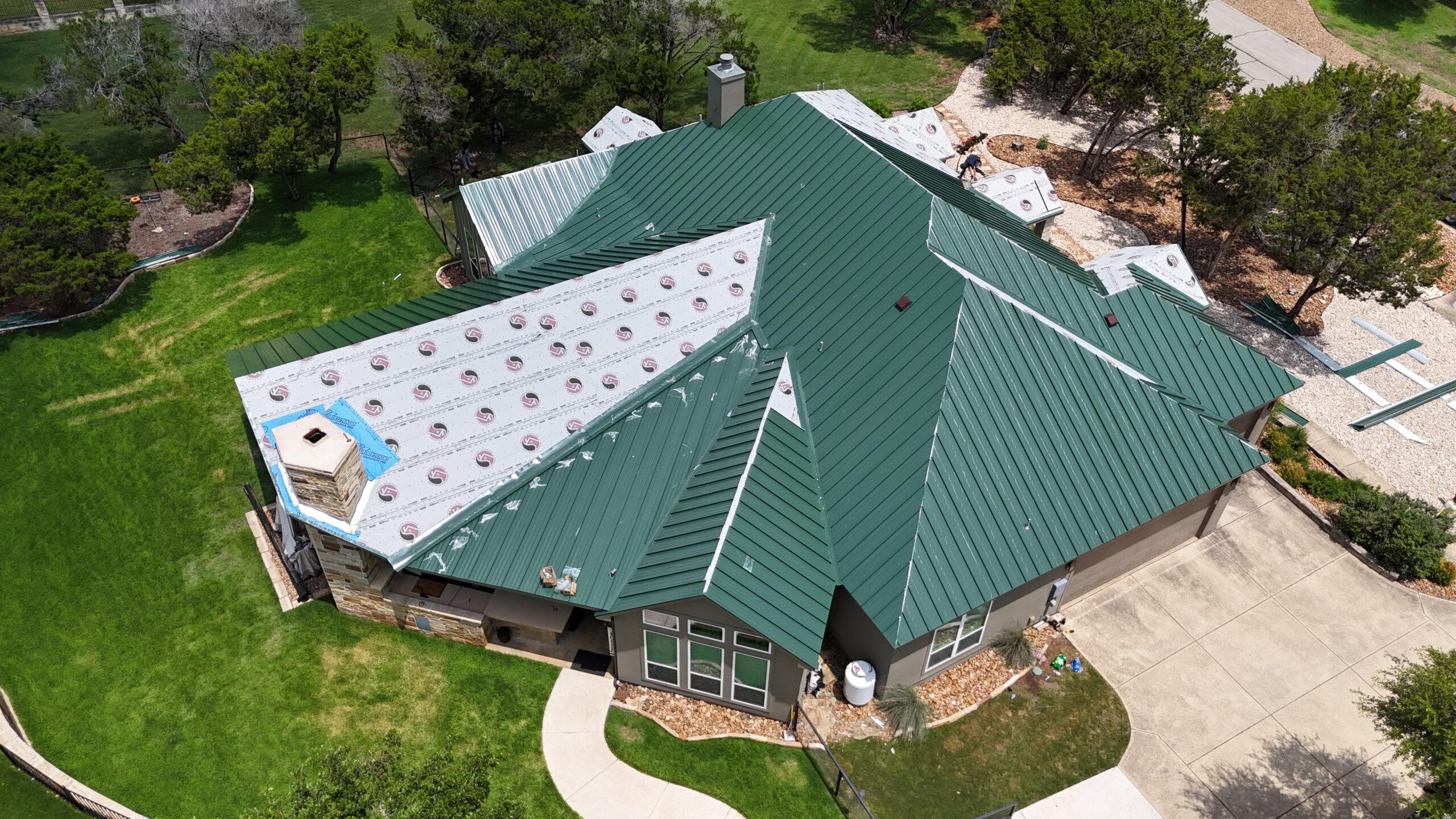
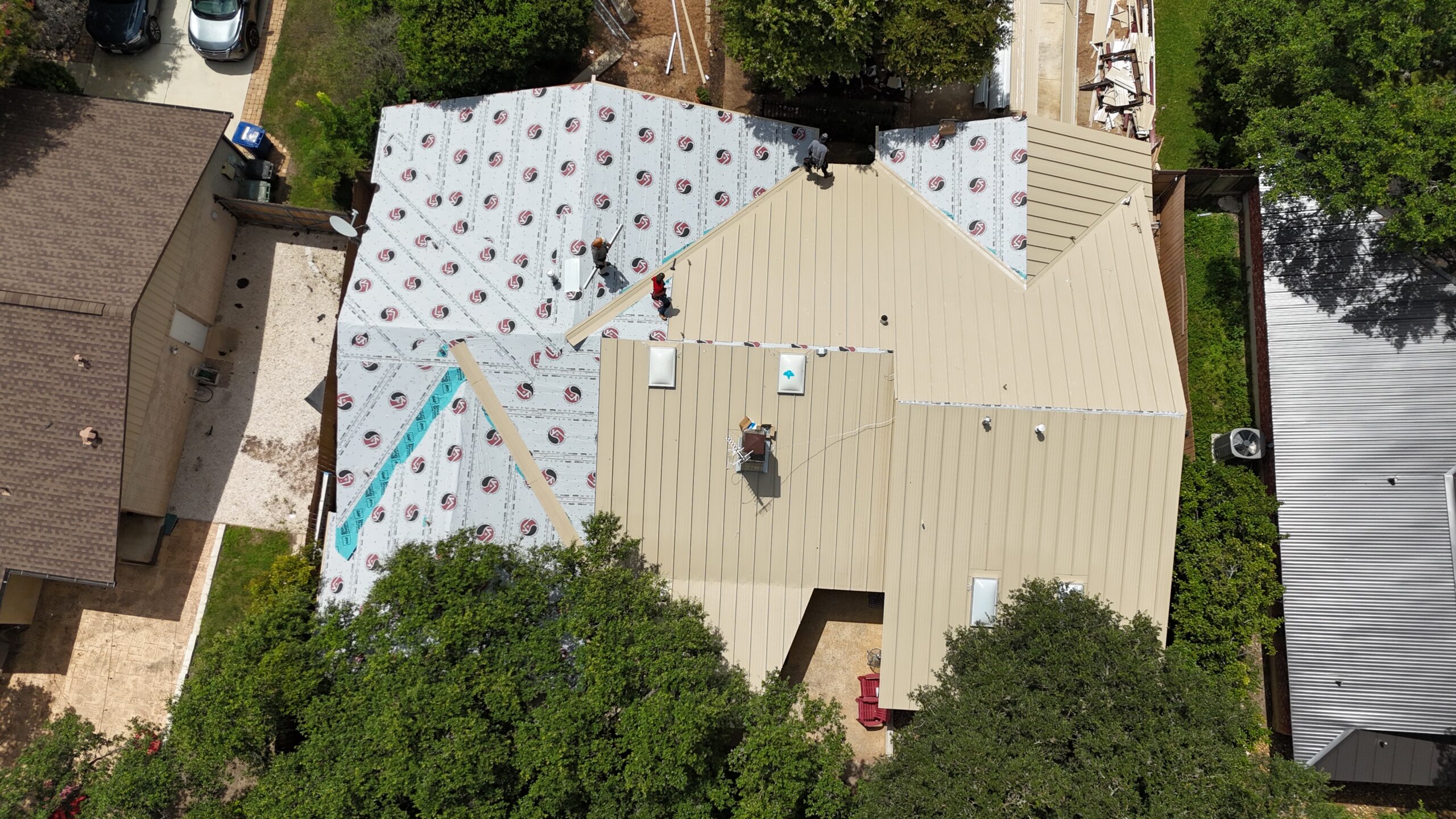
Adjusters decide from a file, not from a conversation. The strongest files we've seen share the same contents: dated photographs of the damage from the ground and from the roof, close-ups of creased or missing shingles and displaced panels, interior shots of every stain and every soft spot in the drywall, receipts for the tarp and the emergency dry-in, and a written scope from a licensed contractor that names the components and the code requirements rather than saying "roof damaged." When a carrier is working from drone imagery or a satellite pass, that ground-level detail is often the only record of what was actually up there.
Two habits make the biggest difference. Photograph the roof before storm season while it's still intact, so you have a baseline that shows the damage is new. And do the emergency work — tarps, board-up, water extraction — but keep every receipt, because reasonable mitigation costs are typically reimbursable and failing to mitigate can be held against you. If you need someone on the roof tonight, that's what our emergency roofing crew is for.
"I went with their metal roof and I am thoroughly happy. Do the research cause they use a thicker metal and they don't have exposed fasteners."
See our profile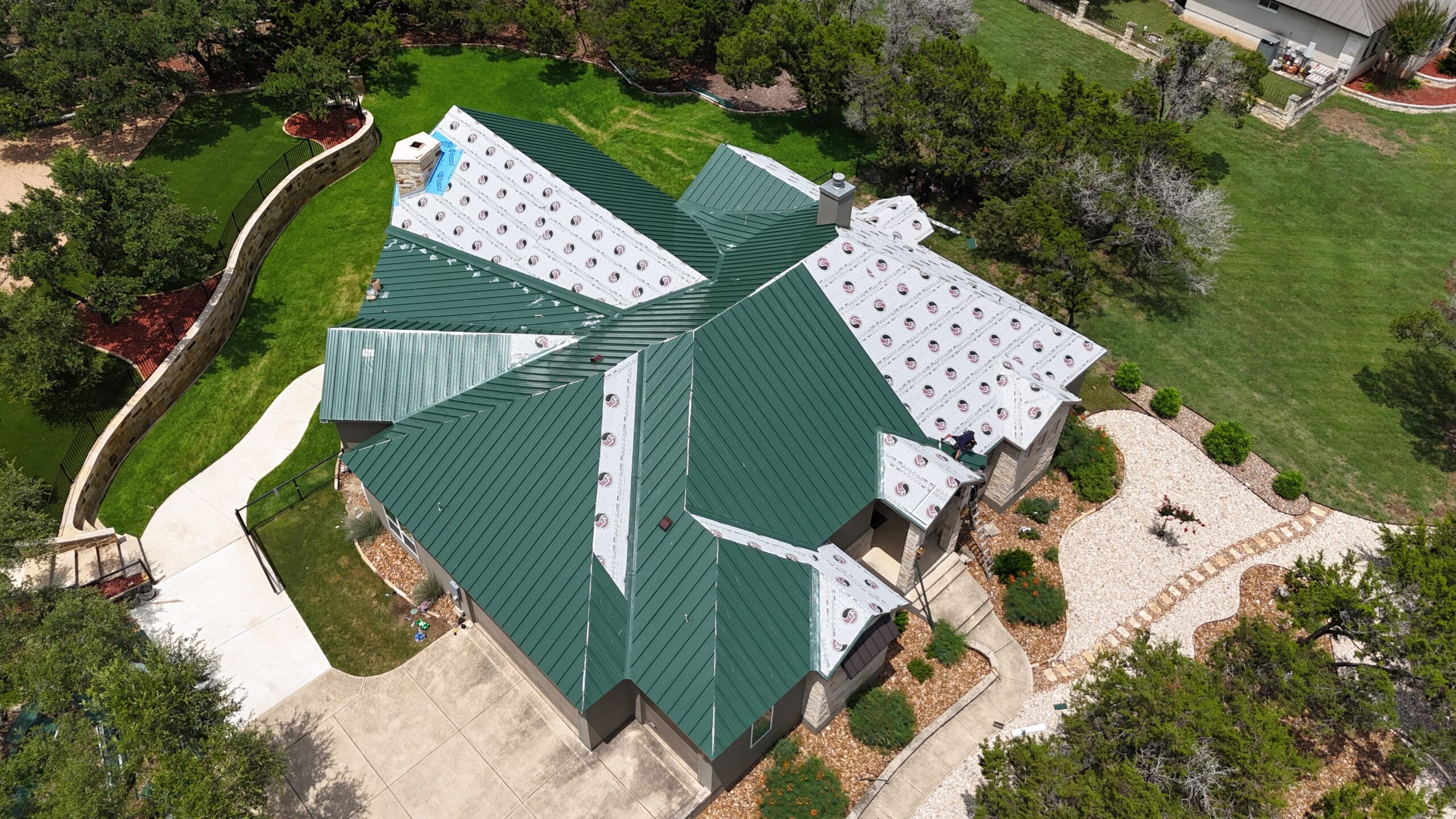

Have a Roofer on the Roof That Day
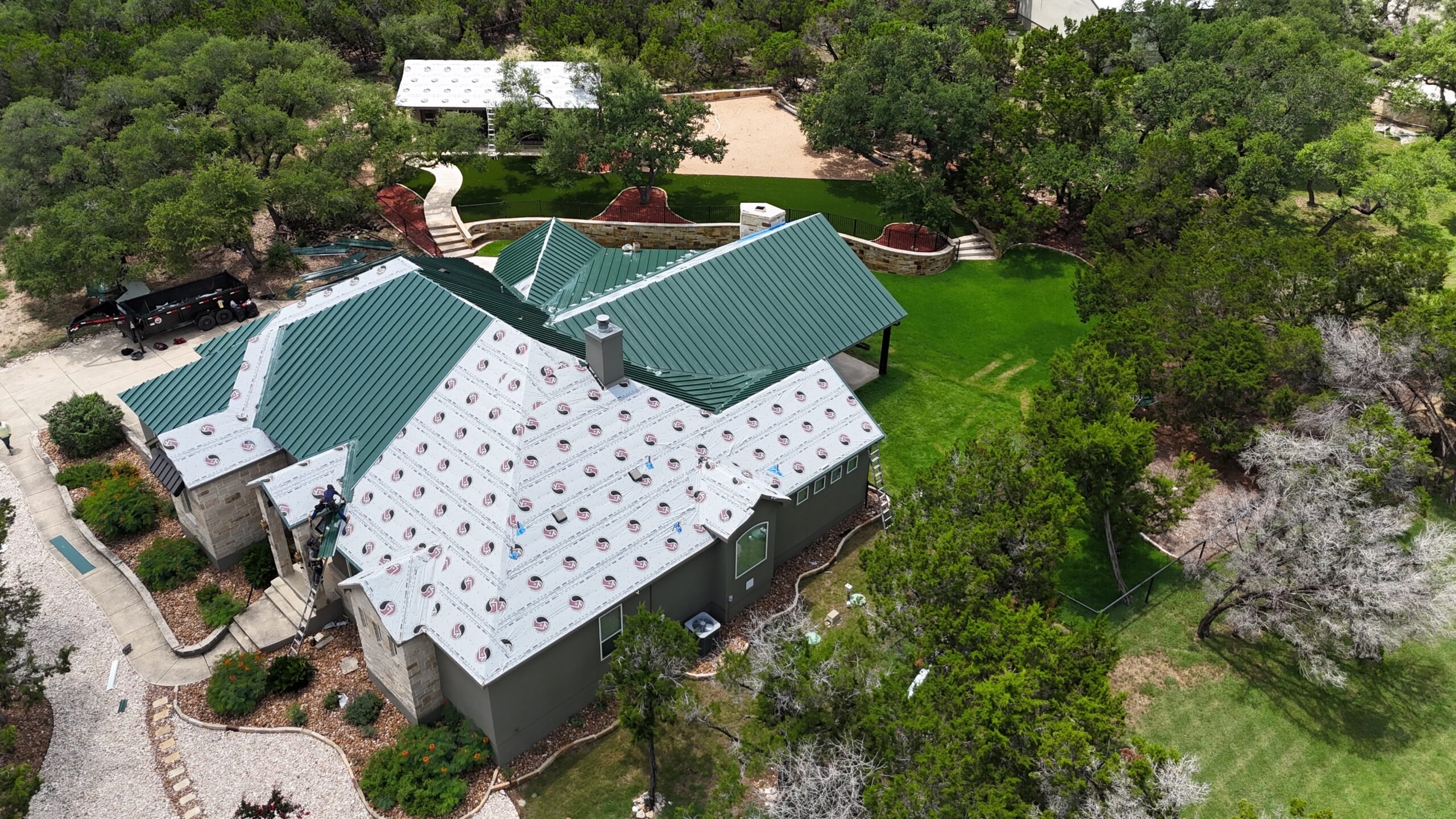
The field adjuster who inspects your home works for the insurance company. That isn't a scandal — it's the job — but it does mean the only person on that roof representing your side of the scope is the contractor you bring. When we're there, we walk the roof with the adjuster, point out damage that's easy to miss from a ladder or a drone pass, and hand over a line-item estimate that speaks in the same terms the carrier's software uses. Disagreements get resolved on the roof instead of six weeks later in a letter.
Being local matters more here than anywhere else in the process. We know which Hillsborough, Pinellas, and Manatee building departments want what on a permit, what the wind zone requires on your street, and how long the county is currently taking on inspections. After a regional storm, out-of-state crews are gone by the time your supplemental claim needs a second look — we're still ten minutes up the road.
"Had a rough road, had some issues. But Wilson roofing came through and did what it took made me a satisfied customer."
See our profileApproved Claim to Finished Roof
Once the claim is approved, Florida's building code decides how much roof you're actually putting back. The old 25% rule said that repairing or replacing a quarter or more of a roof section in twelve months meant bringing the whole thing to current code. Senate Bill 4-D changed that in 2022: if your existing roof was built, repaired, or replaced under the 2007 Florida Building Code or later — in practice, most roofs installed after March 2009 — only the portion being worked on has to meet current code, even past the 25% threshold. Older roofs still fall under the original rule, and the proof either way is your permit history, so pull the last reroof permit before anyone starts arguing about scope.
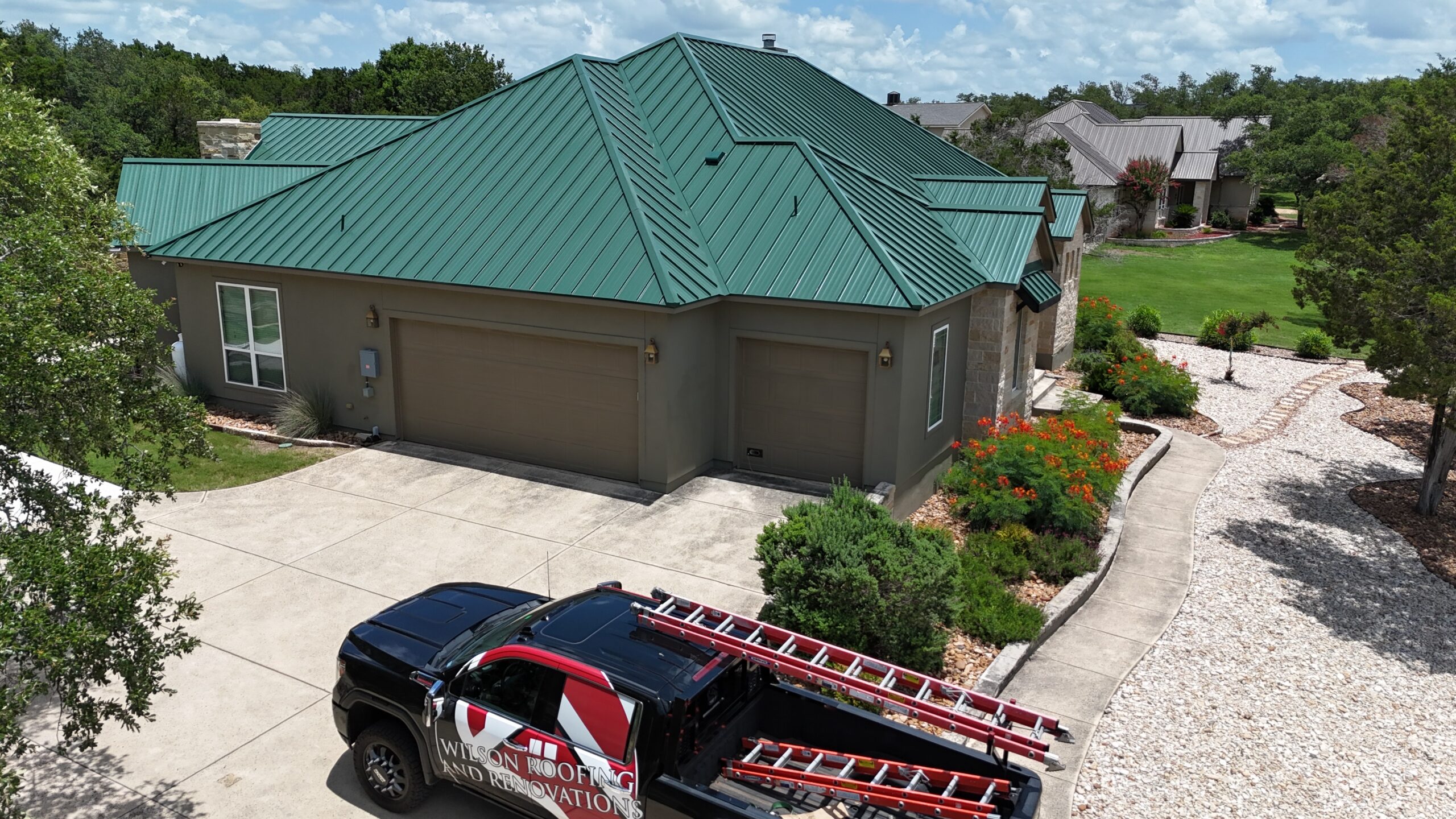
When the code does force a full replacement, that's where law and ordinance coverage earns its place in your policy — it pays the upgrade costs your original roof didn't include, like a secondary water barrier and improved deck attachment. It's also the moment to think past like-for-like. Plenty of our customers file a shingle claim and finish with a standing seam roof, because we run our own rollformer and price metal roofing close to what shingles cost. If you're weighing it, our breakdown of metal vs. shingle roofs in Florida covers the trade-offs.
"The company overall was great to work with superintendents were on point crew was very thoughtful and thorough in what they did would highly recommend"
See our profile


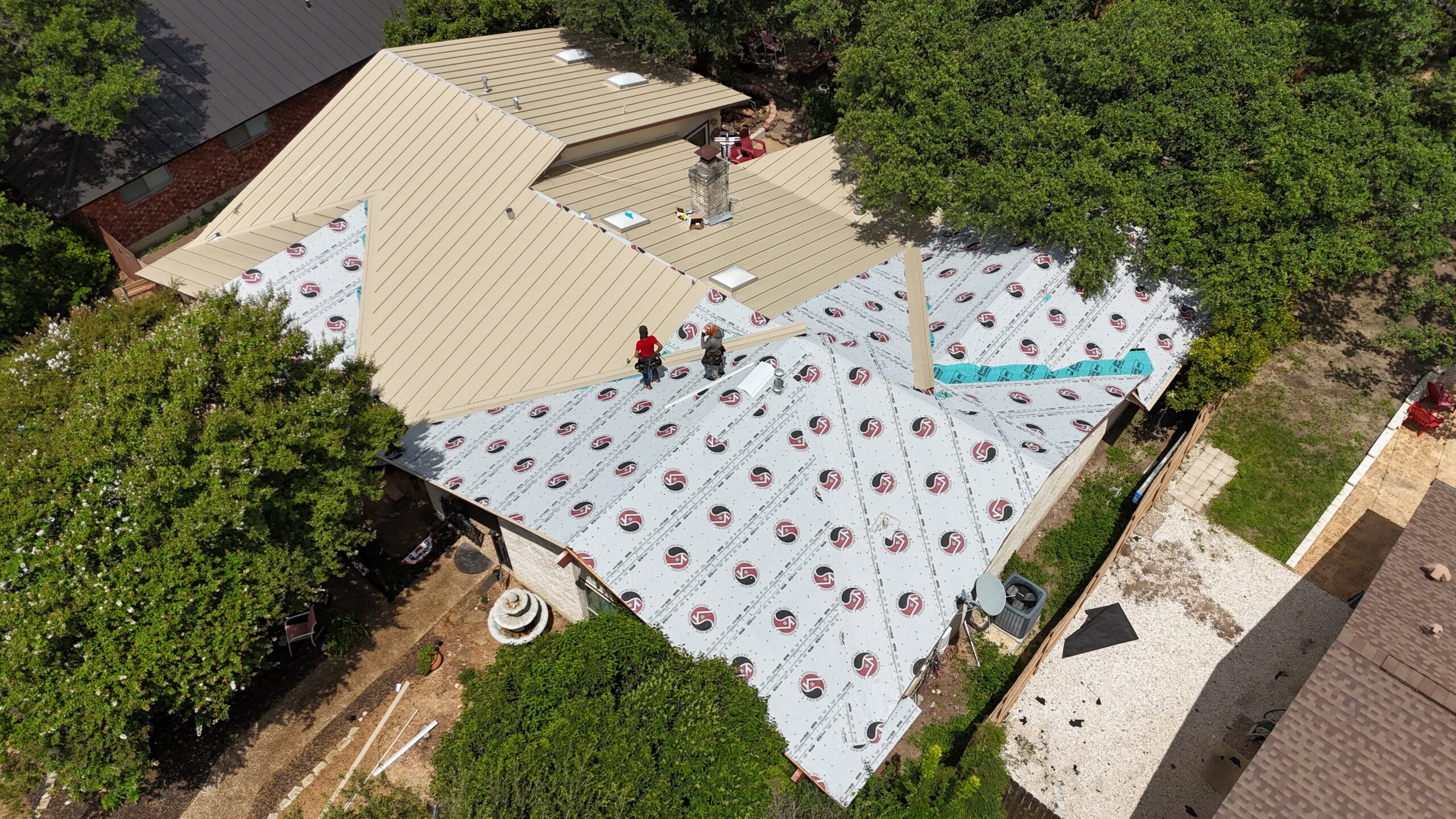
What a Roofer Should Actually Do for You
We're a licensed and insured roofing contractor — not a public adjuster, not an insurance agent, and not your representative with the carrier. What we can do is make sure the roof is documented properly and rebuilt correctly, which is most of what determines how the claim turns out.
- Free 20-point roof inspection with dated photo documentation
- A written, line-item scope your adjuster can work from
- Someone from our crew on the roof during the adjuster's visit
- Emergency tarping and dry-in, with receipts you can submit
- Permits pulled, code upgrades handled, 100+ five-star reviews behind it
How a Storm Claim Actually Runs
Six steps, in the order they happen — from the morning after the storm to the final inspection.
1. Make It Safe
Tarp the opening, stop the water, photograph everything before anything is moved. Keep the receipts.
2. Get Inspected
A free 20-point inspection tells you whether you have storm damage, ordinary wear, or something under your deductible.
3. Give Notice
You report the claim to your carrier — within one year of the storm date — and get your claim number in writing.
4. Meet the Adjuster
We walk the roof alongside the adjuster with our estimate in hand so the scope gets settled on site.
5. Approve and Schedule
Once the carrier issues its decision, we pull the permit, order material, and give you a real start date.
6. Build and Inspect
Tear-off, deck repair, code upgrades, new roof, county inspection, clean site. Then the warranty paperwork.
Florida Roof Claims, Answered
One year from the date of loss for a new or reopened claim, and eighteen months for a supplemental claim, under Florida Statute 627.70132 as amended in December 2022. The clock starts on the day of the storm, not the day you noticed the damage. Older guides still cite two or three years — that's out of date.
No. Homeowners policies cover sudden, accidental damage from a covered peril — wind, hail, lightning, a falling tree. Age, granule loss, and general wear are maintenance, and they're excluded in every policy we've read. If your roof is simply at the end of its life, a planned roof replacement with financing is usually the better path.
Replacement cost value pays what it costs to put a new roof on today, usually in two payments with the depreciation released after the work is done. Actual cash value pays the depreciated worth of the old roof, which on a fifteen-year-old shingle roof can be a small share of the job. Many Florida carriers now put older roofs on an ACV schedule — check your declarations page before the storm, not after.
No, and anyone offering is telling you something important about their business. Florida Statute 489.147 prohibits a contractor from paying, waiving, or rebating your deductible or offering anything of value in exchange for a roof inspection or a claim. Done knowingly, it's a third-degree felony, and fines run up to $10,000 per violation. The deductible is yours to pay.
Not for most newer roofs. Since Senate Bill 4-D in 2022, if the existing roof or roof section was built to the 2007 Florida Building Code or later — generally anything installed after March 2009 — only the portion being repaired has to meet current code, even if it exceeds 25% of the section. Roofs older than that still fall under the original rule. Your permit history is the proof.
Get it inspected first. If the repair costs less than your deductible, a claim gains you nothing and stays on your property's record. Hurricane deductibles in particular run 2% to 10% of your dwelling coverage, which is often more than a small repair. We'll give you the repair number and the honest assessment, and you decide from there.
Their willingness to stand behind their work, respond when things became complicated, and absorb substantial additional costs demonstrated a level of integrity and customer service that is unfortunately becoming harder to find. A roofing company is easy to judge when everything goes perfectly. The TRUE test is how they respond when something goes wrong. Wilson Roofing passed that test for us.
Storm Season Services
Storm Damage Repair
Wind, hail, and hurricane damage documented and repaired across Tampa Bay and Sarasota.
Learn MoreEmergency Roofing
Tarping and dry-in when water is coming through tonight, not next week.
Learn MoreFree Roof Inspection
A 20-point assessment with photo documentation you can hand straight to your carrier.
Learn MoreLicensed, Local, and Still Here Next Season
Licensed & Insured
A licensed, insured, locally owned Florida roofing contractor — verifiable before you sign anything.
100+ Five-Star Reviews
A 5.0 Google rating built on roofs across Tampa, Sarasota, Clearwater, and the surrounding counties.
Documented Inspections
Our free 20-point inspection comes with dated photos and a written scope, not a verbal opinion.
Our Own Crews and Equipment
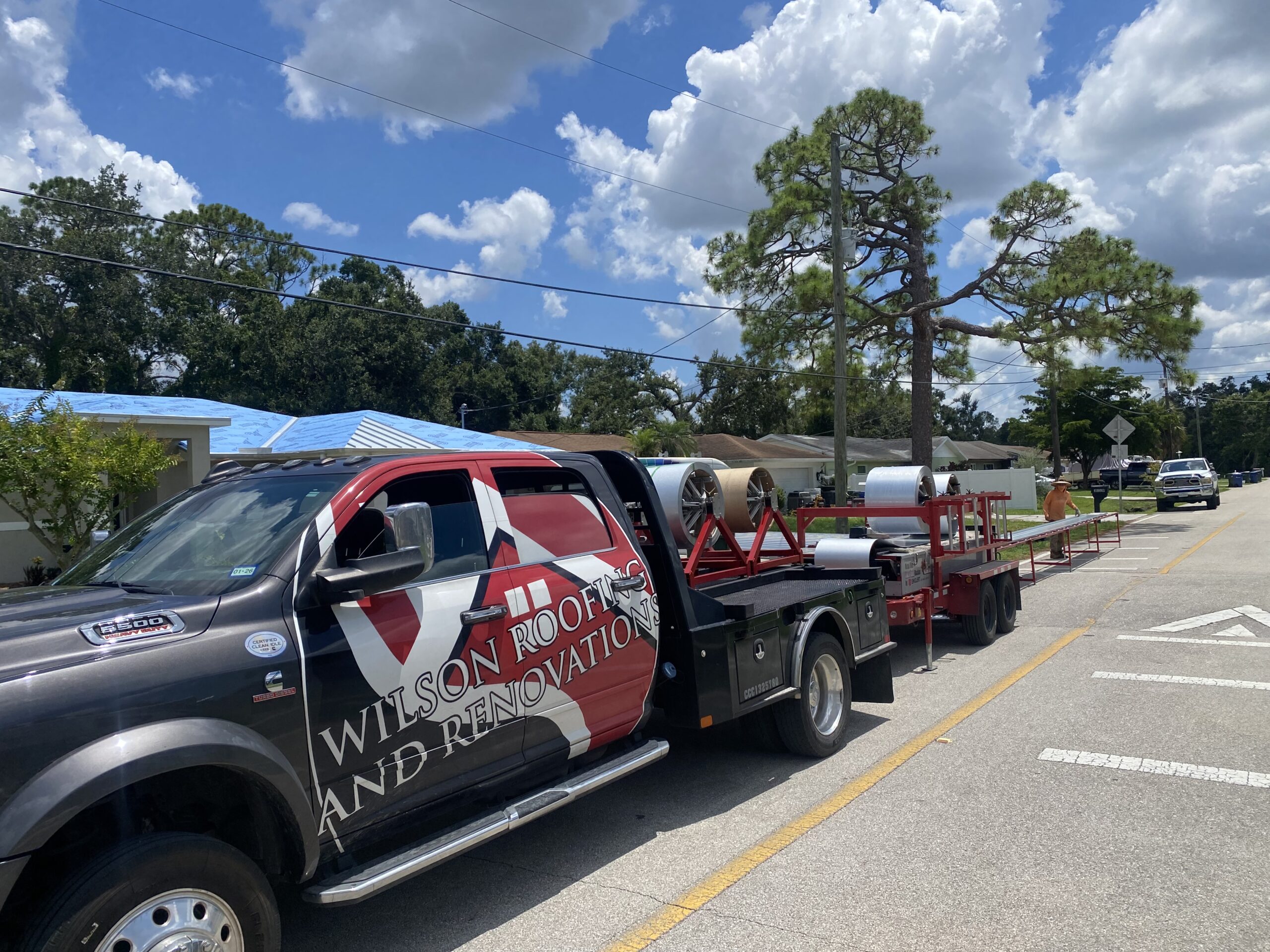
We run our own rollformer and our own trucks, so schedules don't depend on a subcontractor's calendar.
Claim Experience
We've walked hundreds of Florida roofs with adjusters and know what a carrier's scope needs to say.
Metal at Shingle Pricing
Premium metal roofing priced comparably to shingles, which changes the math when a claim comes up short.
Areas We Serve
Find Out Before the Clock Runs Out
The inspection is free, the answer is honest, and it takes about an hour. If you don't have a claim, we'll tell you that too — and give you a repair number instead.
Call or Request Online
Tell us what you're seeing — a stain, missing shingles, or just a storm that came through.
Free 20-Point Inspection
We document the roof with dated photos and give you a written scope in plain English.
Repair or Replace
Whether it's a claim or a straight repair, we pull the permits and put the roof back right.